
In the realm of holistic wellness, Shiatsu Massage stands out as a profound Japanese massage therapy that harmonizes ancient healing principles with therapeutic touch. Let Thera Spa guide you through 5 popular Shiatsu techniques and what you need to know in the article below.
1. What is Shiatsu Massage?
Shiatsu is a traditional Japanese form of therapy that uses firm, rhythmic pressure applied to specific points on the body. The name itself comes from the Japanese words “shi” (finger) and “atsu” (pressure), but practitioners may also use palms, elbows, knees, and feet.
Unlike Western massage which often focuses on kneading muscles, Shiatsu is rooted in the principles of Traditional Chinese Medicine. Its core goal is to balance the body’s vital energy flow, known as “Ki” or “Qi”, which travels along pathways called meridians.

Key Principles of Shiatsu:
- Balancing Energy (Ki): Health is seen as a state of free-flowing Ki. Pain, tension, and illness are believed to result from blockages or imbalances in this energy. Shiatsu aims to clear these blockages and restore the natural flow.
- Holistic Approach: It treats the whole person, not just the physical symptoms. A practitioner will consider your physical, emotional, and energetic state.
- Meridian System: Pressure is applied primarily along the meridian lines, which are connected to specific organs and functions in the body (e.g., Liver Meridian, Stomach Meridian).
2. How Shiatsu massage works
Shiatsu massage was born and operates based on the principles of traditional oriental medicine. They are performed very simply but bring practical results.
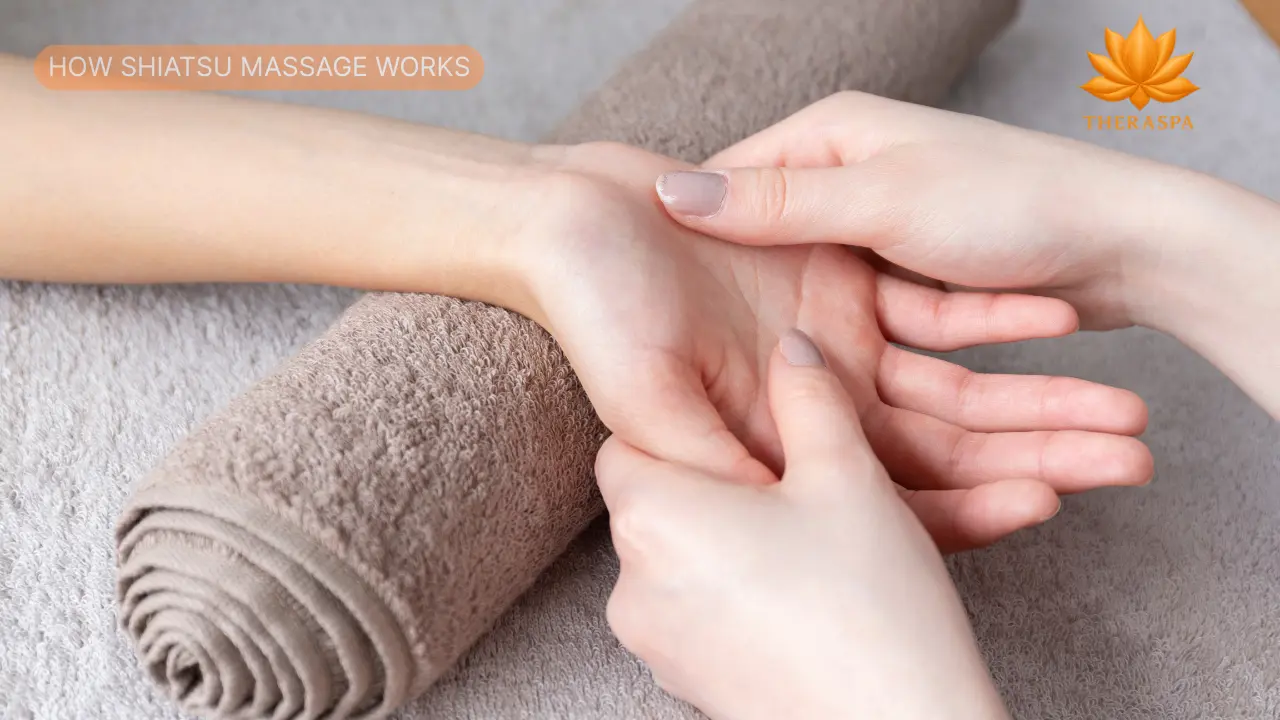
2.1.How is Shiatsu Massage Performed?
These tsubo are not isolated; they are interconnected nodes along energy pathways called meridians. Each meridian is associated with a specific internal organ or physiological system (e.g., the Liver meridian, Heart meridian). Therefore, applying pressure to a tsubo on the leg, for instance, is believed to influence the health and function of its corresponding organ elsewhere in the body.
The process involves much more than just static pressure. A typical Shiatsu session is a dynamic and holistic practice that includes:
- Assessment (Hō): The session often begins with a assessment, which may include questioning, observing posture, and palpating the abdomen (Hara), to diagnose the client’s overall energy condition.
- Applying Pressure: The practitioner uses their body weight, not just muscle strength, to apply perpendicular pressure to the tsubo and meridians. The pressure is sustained for a few seconds to allow the body to respond, rather than being a quick, rubbing motion.
- Stretching and Mobilization: To complement the pressure, the practitioner incorporates passive stretching and gentle joint rotations. This helps to release deep-seated tension, improve flexibility, and further encourage the flow of energy.
- Two-Handed Connection: A distinctive feature of Shiatsu is the use of both hands in harmony. While one hand (the “working hand”) applies active pressure or performs a technique, the other hand (the “mother hand”) rests gently on another part of the body. This “mother hand” provides comforting support, helps the practitioner sense the client’s energy flow, and maintains a continuous therapeutic connection.
2.2.The Operating Principles of Shiatshu Massage
Shiatsu operates on the core principle of Eastern medicine that a vital energy, or “Ki,” flows through the body. It is believed that blockages or imbalances in this energy flow lead to discomfort and illness. By applying precise pressure to specific points called “tsubo” along energy pathways, Shiatsu aims to release these blockages, restore the smooth circulation of Ki, and stimulate the body’s innate ability to heal and rebalance itself.
3.The Distinctive Benefits of Shiatsu Massage
Shiatsu massage offers a unique range of therapeutic benefits that set it apart from conventional massage. Rooted in a holistic philosophy, it goes beyond simple muscle relaxation to promote systemic balance and well-being. Here are its key, distinctive advantages:

3.1. Holistic Stress and Tension Relief
Shiatsu induces a state of profound relaxation for both the mind and body. Unlike superficial relaxation, it works on the autonomic nervous system, helping to shift the body from the stressed “fight-or-flight” (sympathetic) state to the restorative “rest-and-digest” (parasympathetic) state. This leads to a significant reduction in cortisol levels, eases mental anxiety, and releases deep-seated physical tension held in the muscles and connective tissues.
3.2. Improved Energy Flow and Vitality
The primary goal of Shiatsu is to balance the body’s vital energy, or “Ki.” By applying pressure to the meridians (energy pathways) and “tsubo” (acupressure points), it clears blockages and stimulates the smooth flow of energy. Clients often report feeling a renewed sense of vitality, less mental fog, and more physical energy following a session, as the body’s natural resources are unlocked and circulated efficiently.
3.3. Enhanced Circulation and Detoxification
The rhythmic pressure and stretching techniques in Shiatsu significantly improve blood and lymphatic circulation. Enhanced blood flow ensures that oxygen and nutrients are delivered more effectively to cells, while improved lymphatic flow aids in the removal of metabolic waste products and toxins from the tissues. This dual action supports the body’s natural detoxification processes and can contribute to healthier skin and reduced swelling.

3.4. Pain Management and Musculoskeletal Support
Shiatsu is highly effective in addressing chronic pain conditions, such as back pain, neck and shoulder stiffness, headaches, and joint discomfort. By releasing tension in the muscles, improving flexibility, and correcting minor postural imbalances through stretching, it addresses the root cause of many pain issues rather than just masking the symptoms.
3.5. Boosted Immune and Digestive Function
According to its holistic principles, balanced energy supports optimal organ function. By working on meridians related to the spleen, stomach, and large intestine, Shiatsu can help regulate and improve digestive issues like bloating, constipation, and sluggish metabolism. Furthermore, by reducing stress and improving overall systemic balance, it contributes to a stronger and more responsive immune system.
3.6. Greater Self-Awareness and Mind-Body Connection
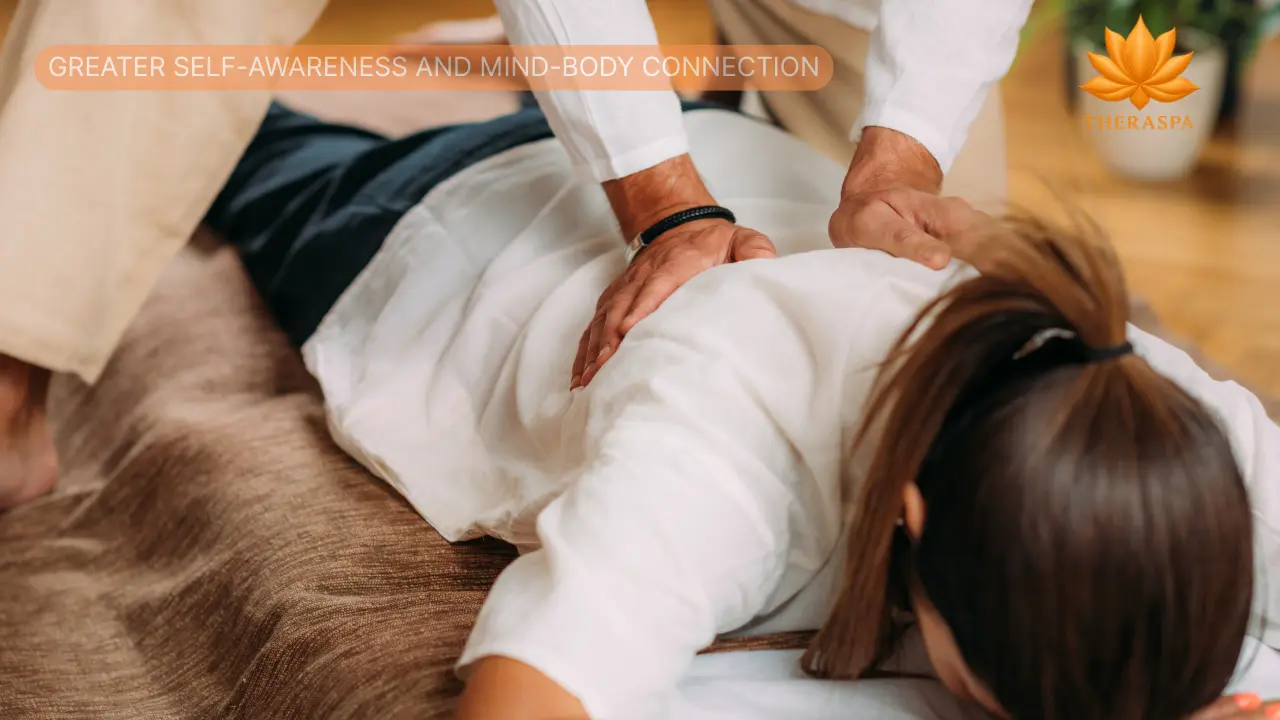
A unique benefit of Shiatsu is its ability to foster a deeper connection between the recipient and their own body. The therapy encourages individuals to become more aware of where they hold tension and how their emotional state manifests physically. This heightened awareness is a powerful first step toward making positive lifestyle changes and maintaining long-term health.
In summary, Shiatsu is not merely a passive treatment but an active participatory therapy that promotes the body’s inherent self-healing capabilities, offering a comprehensive approach to maintaining and restoring health.
4. 5 Fundamental Shiatsu Techniques
Shiatsu incorporates a variety of techniques that go beyond simple finger pressure. These methods work together to balance energy, relieve tension, and promote deep relaxation. Here are five core techniques commonly used in a session:

4.1. Appropriate Pressure (Tekezai Atsuryoku)
This is the cornerstone of Shiatsu. It involves applying steady, perpendicular pressure using the thumbs, palms, or elbows. The key is to use the practitioner’s body weight, not just muscle strength, and to hold the pressure for 3 to 5 seconds.
- How it’s done: The practitioner leans into the point smoothly, maintaining a relaxed posture. The pressure is firm and penetrating but should never cause sharp pain. The intent is to sink into the “tsubo” (acupressure point) to disperse energy stagnation.
- Primary Benefit: Stimulates the flow of Ki (energy) along the meridians, releases deep tension, and calms the nervous system.
4.2. Palm Healing (Teate)
This technique uses the entire palm to impart a soothing, warming energy to a broader area of the body. It is often used to begin and end a session or to comfort an area after applying deeper pressure.
- How it’s done: The practitioner places their relaxed palm on a specific body part, such as the back, abdomen, or shoulder, and holds it there gently. The focus is on transferring warmth and creating a sense of safety and connection.
- Primary Benefit: Calms the spirit, grounds energy, improves local circulation, and prepares the body for deeper work.
4.3. Stretching (Yuki)
Shiatsu stretching involves gentle, passive stretching where the practitioner moves the client’s limbs and torso to open up the meridians and release joint tension. The client remains completely relaxed.
- How it’s done: The practitioner carefully guides the body into a stretch, such as gently pulling the arm to open the chest or stretching the leg to release the hamstring and lower back. The stretches are held to allow the connective tissue to release.
- Primary Benefit: Increases flexibility, improves range of motion, releases deep fascial and muscular restrictions, and enhances energy flow.
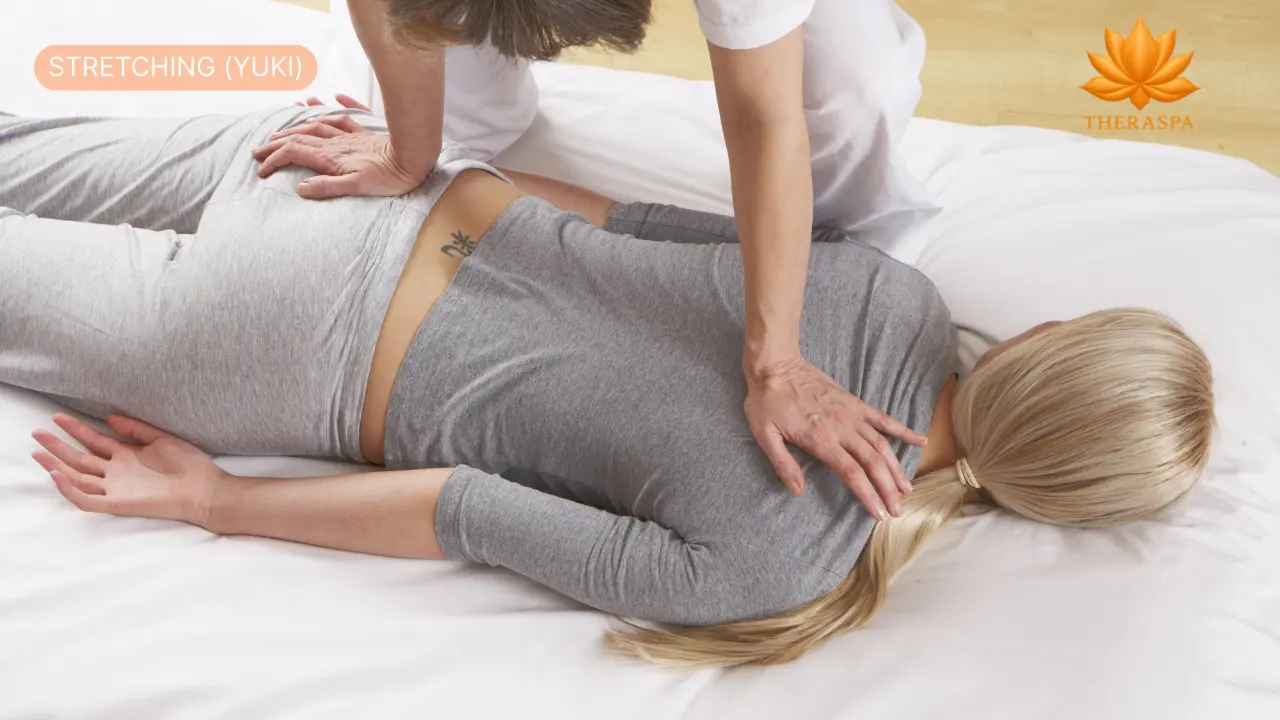
Stretching (Yuki)
4.4. Kneading (Jūnhō)
This technique is used to soften and warm up muscle tissue, similar to Western massage kneading but often performed with the palm or heel of the hand in a more rhythmic, pressing motion.
- How it’s done: Using the palm or thumb, the practitioner makes slow, circular pressing movements on larger muscle groups like the shoulders, calves, or glutes. It is less about friction on the skin and more about compressing and releasing the underlying tissue.
- Primary Benefit: Releases muscle knots (trigger points), improves local blood circulation, and prepares muscles for deeper pressure or stretching.
4.5. Percussion (Shinsen)
This involves a light, rhythmic tapping or chopping motion to invigorate an area and stimulate nerve function. It is used sparingly and with precision.
- How it’s done: The practitioner uses the ulnar side of the hand (the “karate chop” edge) or cupped palms to deliver a rapid, light percussion to areas like the upper back, thighs, or along the sides of the spine. The motion is quick and springy, not heavy or jarring.
- Primary Benefit: Wakes up the nervous system, stimulates sluggish muscles, and improves energy circulation in a specific area.
5. Who is Shiatsu Massage Suitable For?
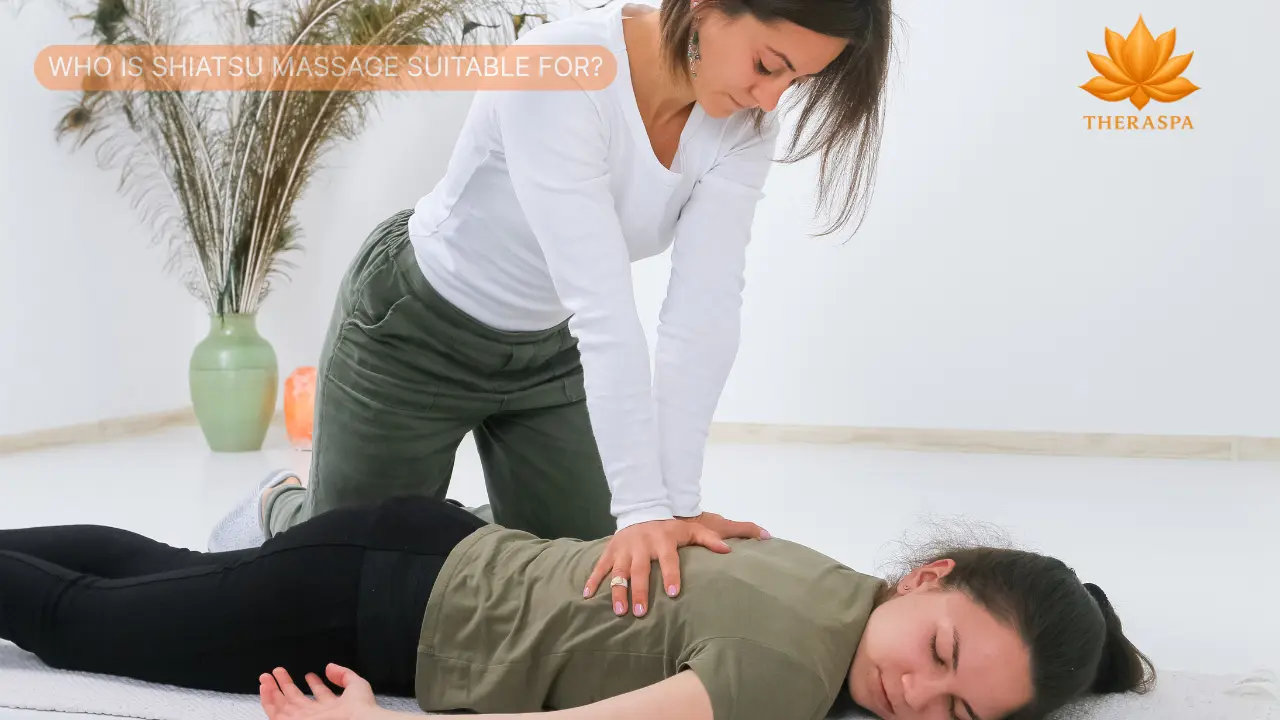
5.1. Who Can Benefit from Shiatsu Massage?
Shiatsu is particularly suitable for individuals experiencing:
- Stress, anxiety, fatigue, and general weakness.
- Poor blood circulation.
- Muscle tension and joint pain.
- A desire to boost overall wellness, reduce stress, strengthen the immune system, improve sleep quality, and enhance body flexibility.
5.2. Who Should Avoid Shiatsu Massage?
The following individuals should avoid or be cautious with Shiatsu:
- Those with serious illnesses, cardiovascular diseases, blood clots, or other chronic conditions.
- Individuals with skin issues such as eczema, rashes, or open wounds in the area to be massaged.
- Pregnant women, breastfeeding mothers, or those with pregnancy-related complications.
- People experiencing severe pain or convulsions.
Furthermore, if you have any health concerns or feel uncertain, it is highly recommended to consult with a healthcare professional before undergoing a Shiatsu massage session.
6. Important Precautions for Shiatsu Massage

To ensure a safe and effective Shiatsu massage session, please take note of the following points:
- Avoid Shiatsu after eating or drinking alcohol: Massaging at this time can lead to bloating, indigestion, nausea, or vomiting.
- Do not apply Shiatsu to injured or damaged skin: This can cause pain and may worsen the existing injury or skin condition.
- Adjust the pressure to a suitable level during the massage: Excessive pressure can cause pain and damage soft tissues. Conversely, pressure that is too light may be insufficient to activate the body’s points and will not provide the desired health benefits. Therefore, it is crucial to listen to your body and communicate with your therapist to adjust the pressure accordingly.
Contact Information Booking Review Thera Spa:
- Địa chỉ: 40 An Thượng 10, Ngũ Hành Sơn, Đà Nẵng
- Website: https://theraspa.vn/
- SĐT/Zalo/Whatsapp: +84 852821786
- Link Google Map: Thera Spa & Massage Da Nang
We hope this insight from Thera Spa has illuminated these 5 powerful Shiatsu techniques for restoring your energy and health. Whether you seek deep relaxation or a natural therapeutic solution, Shiatsu can be a key to unlocking a more balanced state of being. Listen to your body and discover which technique resonates with you, moving towards a more harmonious and vibrant life.