
Shiatsu massage – a name frequently spotted on luxury spa menus. But do you truly understand Shiatsu massage what is it and why this method is hailed as Japan’s unique therapeutic touch? Shiatsu, which literally translates to finger pressure, is a traditional form of Japanese bodywork therapy based on the principles of Oriental Traditional Medicine, aiming to balance the flow of energy (Qi/Ki) throughout the body. This article by Thera Spa will help you uncover the origins, fundamental techniques, and amazing benefits that Shiatsu brings to your health and well-being.
Shiatsu Massage what is it – A Therapy That Awakens the Body’s Natural Energy
What is Shiatsu Massage?
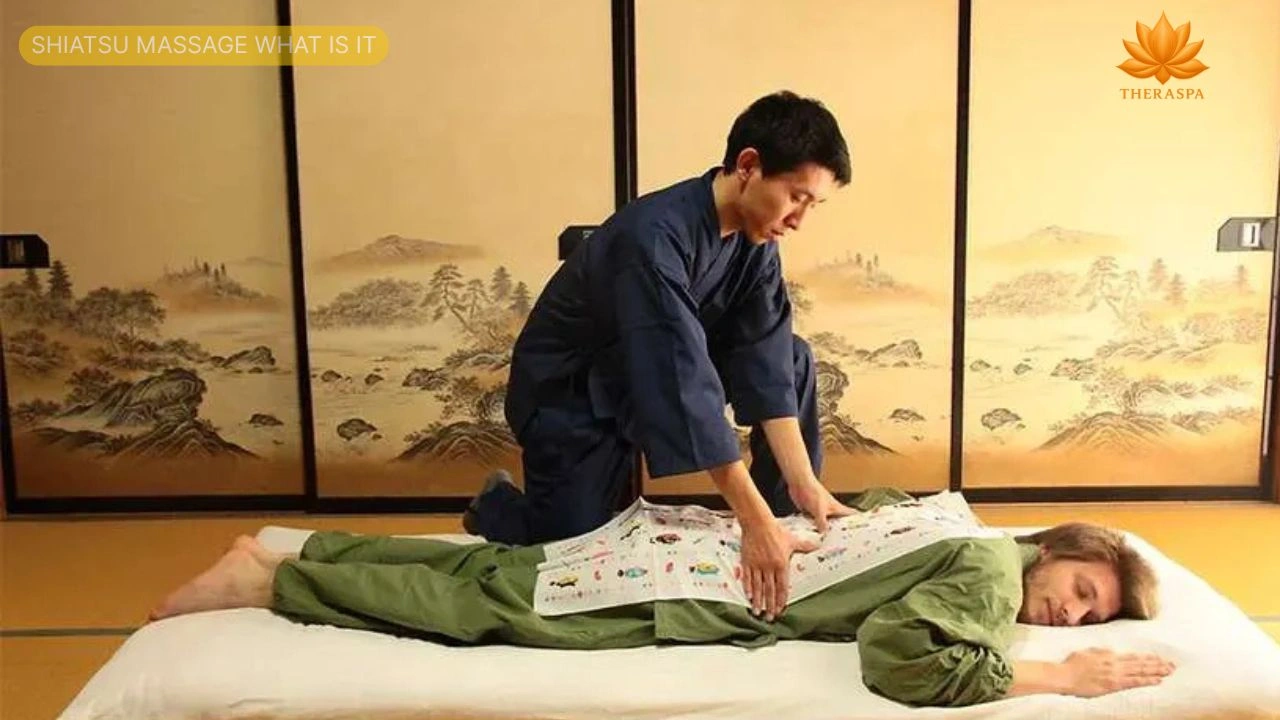
What is Shiatsu Massage? Shiatsu is a traditional Japanese therapy method, designed to help the body regain its natural energy (Ki) balance. In Japanese, “shi” means finger, and “atsu” means pressure. Therefore, Shiatsu can be simply understood as the therapeutic art of finger pressure.
According to therapist Leisa Bellmore (MSc, ST.), Shiatsu is performed using gentle, rhythmic, and continuous pressing movements on specific points on the body. This method combines the principles of Traditional Eastern Medicine with modern anatomical and physiological knowledge, aiming to help the body relax and self-adjust back to a state of balance.
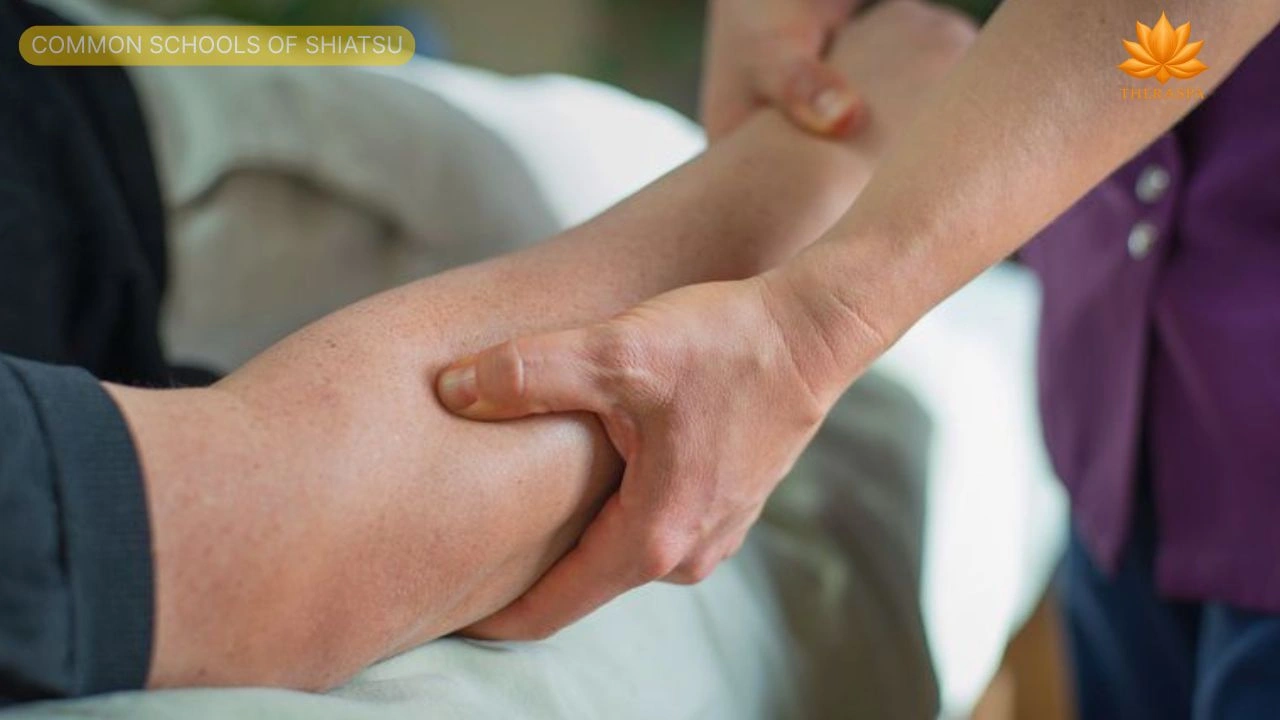
Common Schools of Shiatsu
Shiatsu is divided into many different schools, among which the most prominent are:
- Zen Shiatsu (Masunaga Shiatsu): This school is strongly Eastern in style, focusing on acupressure points along the meridians, helping to unblock Ki and blood flow, and regulate energy.
- Namikoshi Shiatsu: This school is more Western-oriented, emphasizing the muscle, nerve, and blood vessel structures, thus having a greater impact on physiology and bodily sensations.
Shiatsu vs Deep Tissue Massage – Key Differences and Benefits
Both Shiatsu massage and Deep Tissue massage are known as therapies that help the body reduce pain, relax muscles, and restore energy. However, from the professional perspective of a massage therapist, these two methods are entirely different in terms of philosophy, technique, and their effects on the body.
Clearly understanding the differences will help you choose the most suitable therapy for your health condition and relaxation goals.
Shiatsu Massage – Japan’s Energy-Balancing Therapy
Massage Shiatsu is a traditional form of therapy from Japan, based on the principle of balancing energy (Ki) within the body.
The practitioner uses fingers, palms, and sometimes elbows to apply pressure to acupressure points along the meridians.
The goal is to restore the flow of energy, help the body relax, reduce pain and fatigue, improve blood circulation, and balance emotions. Clients often feel a distinct, gentle warmth spreading after each pressure application – this is a sign that the energy flow is being naturally unblocked.

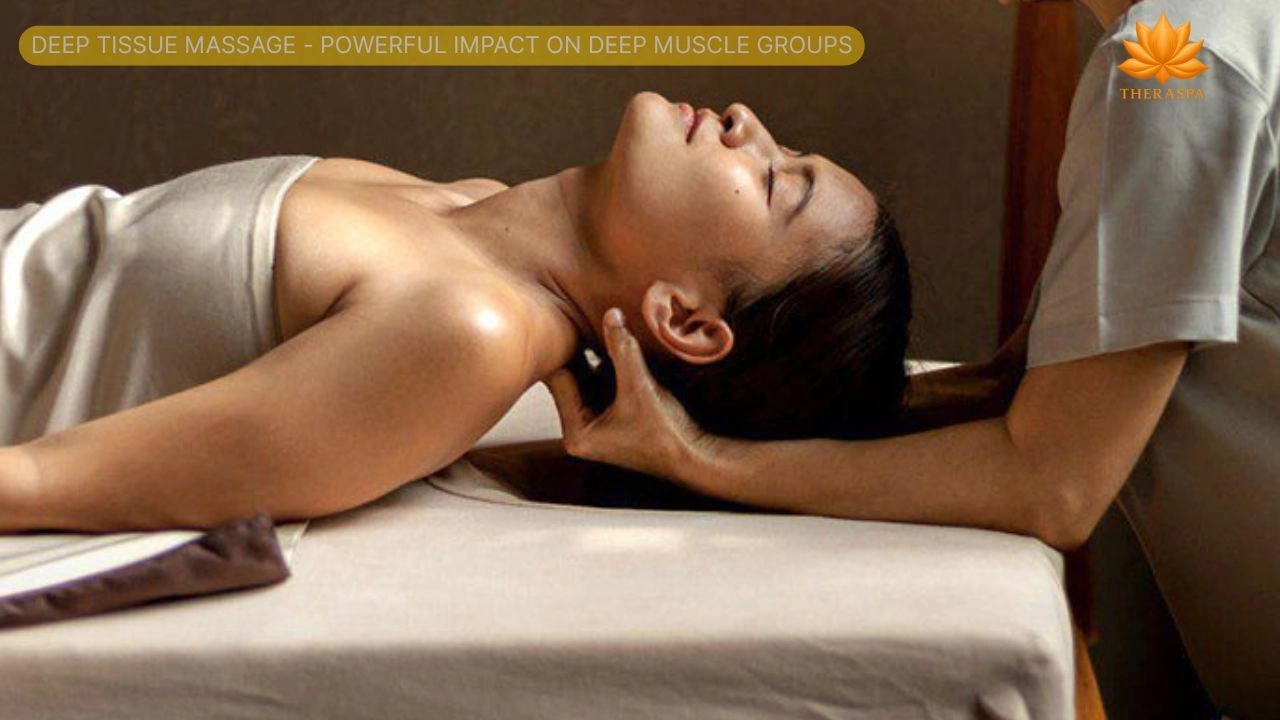
Deep Tissue Massage – Powerful Impact on Deep Muscle Groups
Deep Tissue massage is a modern therapeutic method that focuses on the deeper layers of muscle and connective tissue.
The practitioner will use firm, slow pressure, applied deeply to areas of tension or chronic pain.
The main goal of this method is to release muscle adhesions (trigger points), improve flexibility, and support recovery after athletic activity. This therapy is particularly suitable for people who engage in high-intensity training, perform heavy labor, or experience muscle tightness in the shoulder, back, and neck area.
Shiatsu Process and How It Is Performed
A Shiatsu therapy session usually lasts from 45 to 90 minutes, depending on the client’s health condition and needs. Below are the basic steps in the Shiatsu process:
Step 1: Initial Consultation and Assessment
- Before starting, the practitioner will inquire about and conduct an overall assessment of the client’s health condition, including:
- Medical history (if any), level of muscle tension, insomnia, pain/aches, stress, etc.
- Areas of the body that need focus or should be avoided. This consultation helps the practitioner identify important acupressure points and select the appropriate pressure level for each individual body.
Step 2: Preparing the Space and Therapy Posture
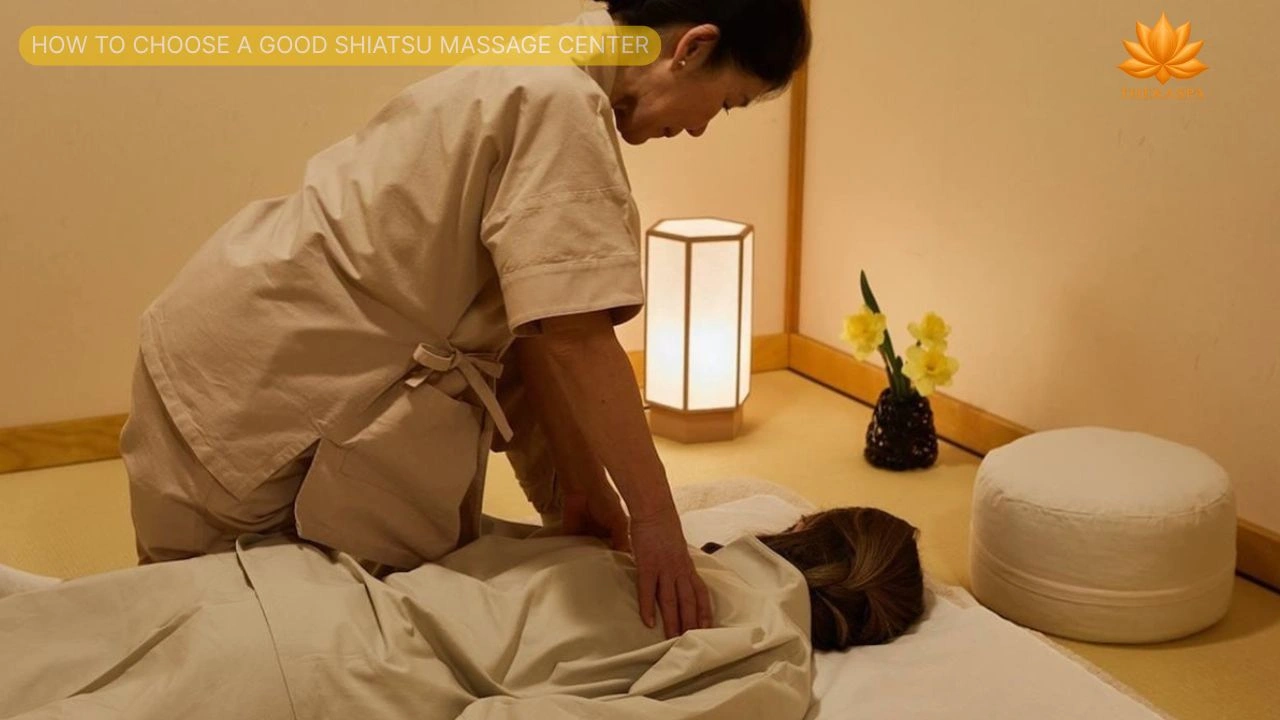
- The client will wear loose, comfortable clothing, or be wrapped in a traditional towel.
- The therapy session usually takes place on a futon mat, tatami mat, table, or massage chair, depending on the spa’s style.
- The space is kept quiet, with soft lighting and a light fragrance, helping the body to quickly relax and become ready to receive energy.

Step 3: Warming Up the Body and Regulating
Breath Before going deeply into acupressure, the practitioner will gently massage, tap, or stretch the body to help Ki and blood circulate and muscles relax naturally.
At the same time, the practitioner guides the client to breathe deeply and evenly, helping to relax the entire body and connect better with the energy flow within.
Step 4: Applying Pressure in the Shiatsu Sequence
This is the main part of the session.
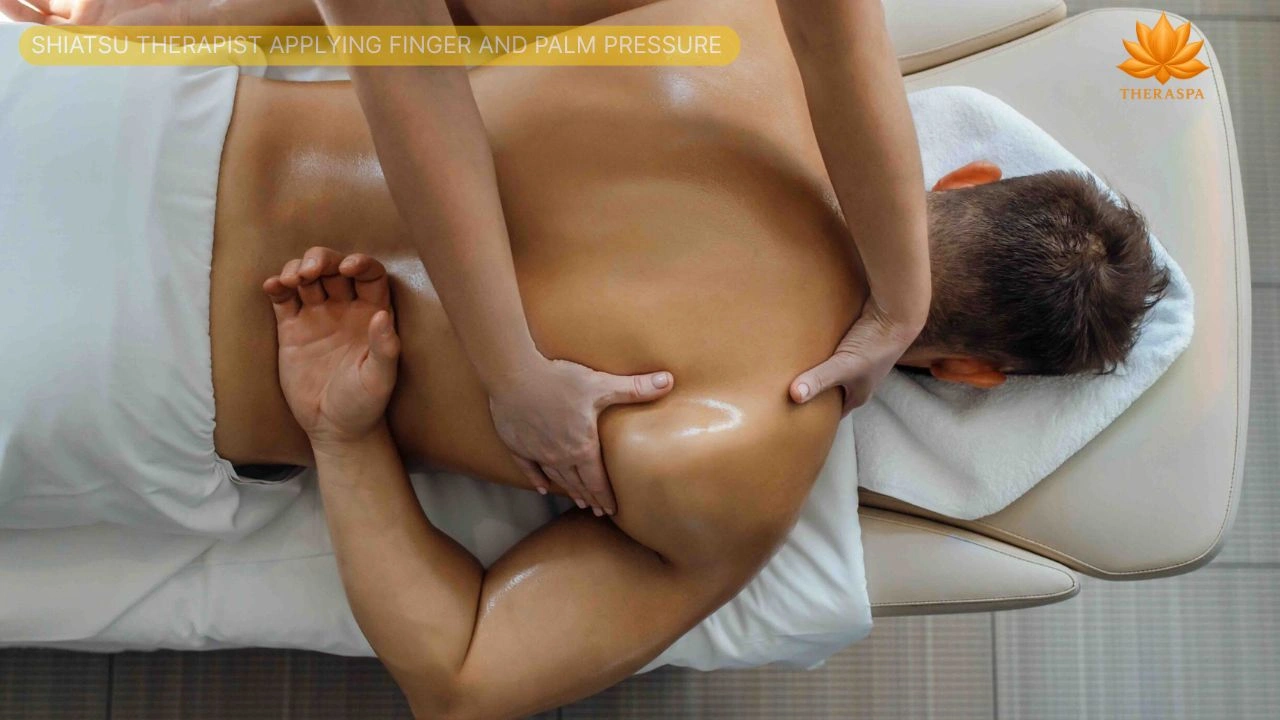
The practitioner will use thumbs, fingertips, palms, or elbows to apply and hold gentle pressure on specific points (acupressure points) on the body. The areas commonly worked on include:
- Head and neck: helps relieve headaches, neck and shoulder fatigue.
- Back and shoulders: releases blocked energy, reduces stress.
- Arms and palms: improves blood circulation, reduces muscle tension.
- Abdomen: supports digestion, balances internal organs.
- Legs and feet: helps circulate Ki and blood, and relaxes the entire body. Each pressure point is held for a few seconds until the practitioner feels a “release” or slight vibration – a sign that the energy has been unblocked.
Step 5: Stretching and Regulating Energy
After applying pressure, the practitioner will gently stretch the joints and muscles to help the energy spread throughout the body.
This is the stage that helps the client feel the most distinct comfort, lightness, and balance.
Step 6: Relaxation and Recovery
At the end of the session, the client rests for a few minutes in the quiet space, and may receive a light massage on the head, neck, or hands to conclude the session smoothly. Many people report that after a Shiatsu session, they feel their body is “renewed”, their mind is light, and their sleep is deeper at night.
10 Outstanding Benefits of Shiatsu Massage
Reduces stress and promotes deep relaxation Shiatsu helps activate the parasympathetic nervous system – the system responsible for the body’s state of relaxation. As a result, you feel mentally lighter, less anxious, and easily find inner peace.
Improves sleep quality
The gentle acupressure movements help stabilize breathing rhythm, relax the central nervous system, and release the hormone serotonin, supporting deeper and better sleep.
Enhances Ki and blood circulation
Shiatsu directly acts on acupressure points and meridians, helping to unblock the flow of energy (Ki) and stimulate blood circulation, thereby helping the body warm up and feel full of vitality.
Reduces muscle pain and joint stiffness
By applying deep pressure to the correct points, Shiatsu helps muscles relax naturally, reduces fatigue in the shoulders, neck, and back, and also supports recovery after exercise or minor injuries.

Supports the nervous system and reduces neurological symptoms
Shiatsu can reduce nerve pain, support Parkinson’s patients, migraines, or recovery after a stroke, thanks to its ability to regulate neural activity and reduce inflammatory responses.
Improves digestion and organ function
When applying pressure to acupressure points in the abdominal area, Shiatsu helps stimulate intestinal peristalsis, increase blood circulation to the stomach, liver, and kidneys, supporting better digestion and detoxification.
Stabilizes emotions and mental state
This therapy helps balance hormones, especially serotonin and endorphins – two substances that help you feel happy, reduce stress, and improve mood.
Strengthens the immune system
By stimulating circulation and energy, Shiatsu helps immune cells function more effectively, thereby increasing the ability to fight off illness.
Helps the body to self-heal
Shiatsu not only affects the muscles but also awakens the body’s natural self-balancing mechanism. When energy circulates stably, the internal organs operate more harmoniously, helping the body to recover quickly on its own.
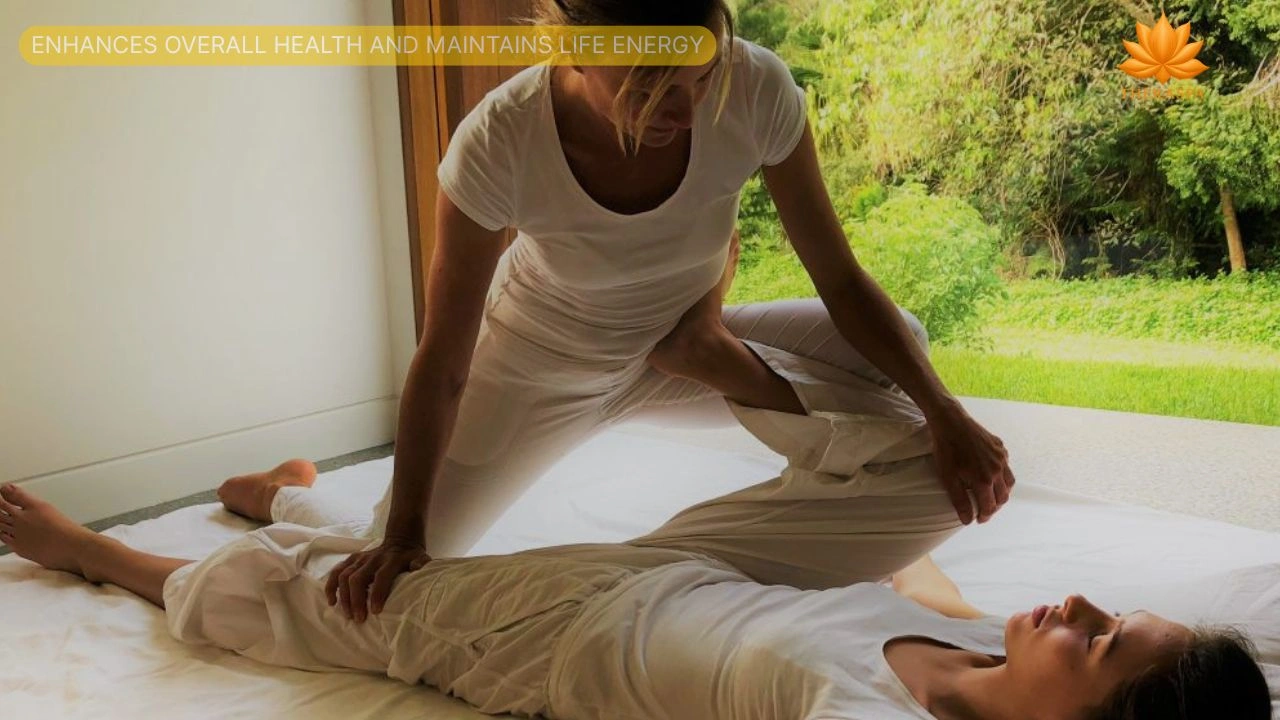
Enhances overall health and maintains life energy
Practicing Shiatsu regularly helps balance the body, mind, and spirit, bringing resilient physical strength, a clear mind, and positive energy for the entire day.
Risks and Considerations for Shiatsu Therapy
Shiatsu is a safe, non-invasive massage therapy that offers many health benefits. However, like any therapeutic method, clearly understanding the risks and considerations before proceeding is very important to ensure effectiveness and avoid unwanted side effects.
Should not be applied on open wounds or skin inflammation
Shiatsu uses direct pressure on the skin and muscles, so if you have abrasions, burns, dermatitis, or inflammatory acne — the application [of pressure] can worsen the damaged skin area.
Avoid performing immediately after a full meal or drinking alcohol
After eating, the body needs to focus energy on the digestion process. Massage at this time can cause discomfort, nausea, or mild abdominal pain.
People with heart disease, blood pressure issues, or blood clotting disorders should consult a doctor
Shiatsu can affect blood circulation and heart rate, so people with underlying medical conditions need confirmation from a doctor before proceeding.
Pregnant women need to choose an experienced practitioner
Some acupressure points on the body, especially on the abdomen, lower back, and wrists, can stimulate uterine contractions. Therefore, if you are pregnant, you should be guided and treated by a practitioner with specialized certification for pregnancy.
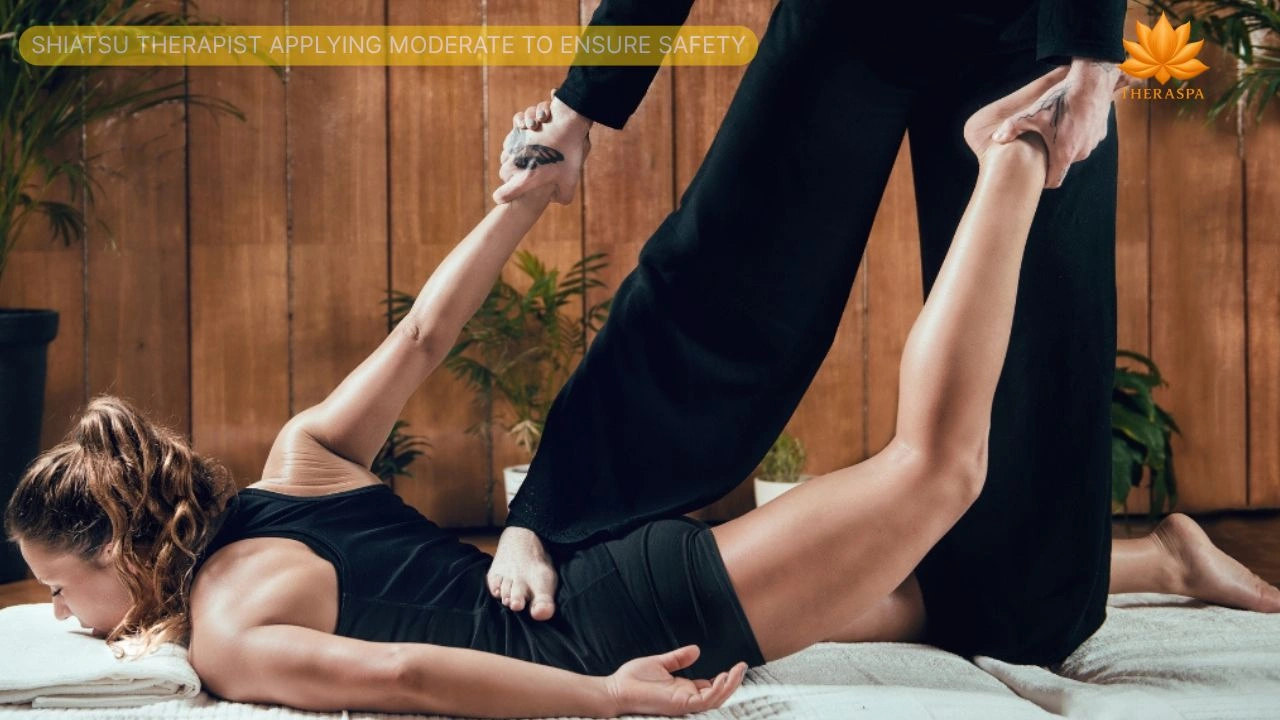
Do not use excessive force Shiatsu is not “press hard for effectiveness.”
The pressure should be moderate, according to the comfort level of the person receiving the massage. Pressing too hard can cause bruising, soreness, or muscle damage.
Need to rest after therapy
After the massage, the body enters a phase of relaxation and energy balancing. You should rest for at least 10–15 minutes, drink warm water to support detoxification, and avoid strenuous activity immediately after the session.
Mild initial reactions may occur
Some people may feel tired, slightly sore, or sleepy after the first therapy session. This is a normal reaction as the body is readjusting its energy flow and blood circulation.
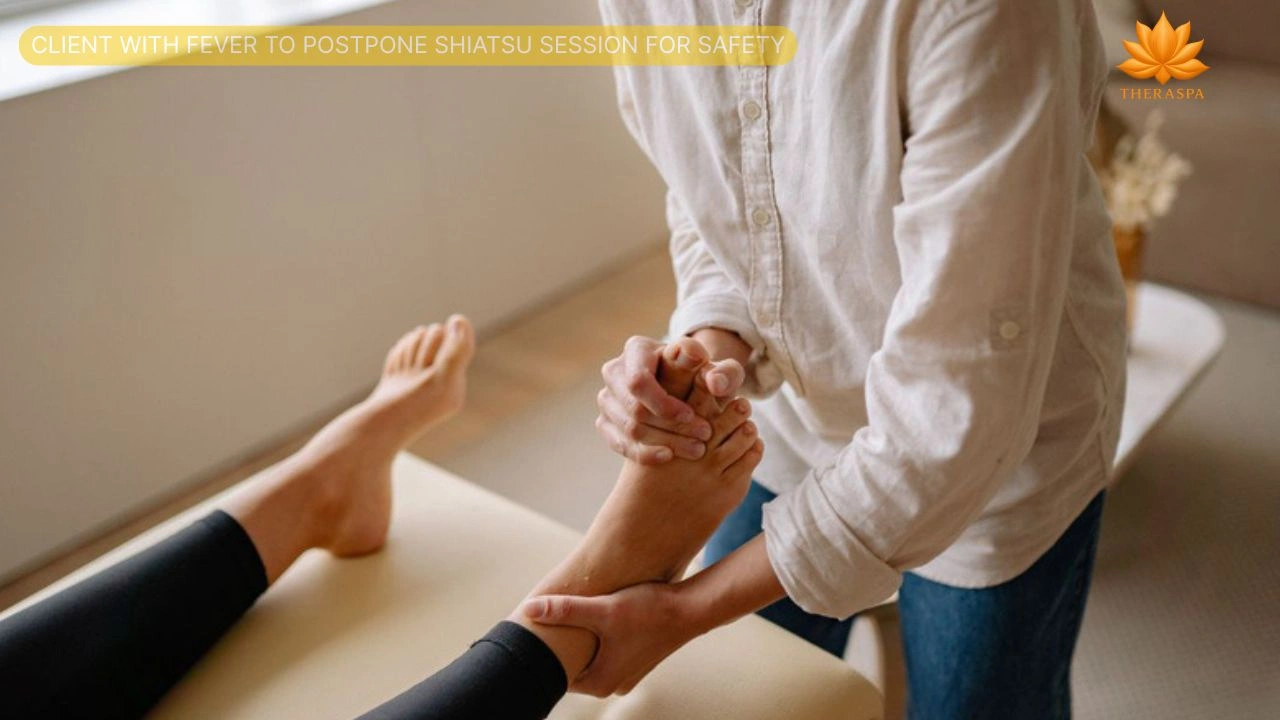
Shiatsu massage should not be received when having a high fever or an infectious disease
The body needs complete rest when in a state of infection or fever. Massage during this period can cause the body to lose strength and prolong recovery time.
Do not self-perform on the neck or spine area if not instructed
These two areas contain many important nerves. If pressing the wrong point or in the wrong direction, it can cause dizziness, headaches, or stiff neck muscles.
Choose a reputable space and practitioner
If you receive therapy at a spa, choose a place with a team trained in specialized Shiatsu, ensuring not only correct technique but also the knowledge to adjust pressure appropriately for each person’s condition.
Who shound anh shouldn’t try japanese shiatsu massage
Who SHOULD Try Japanese Shiatsu Massage
| Group | Reason to Try Shiatsu | Main Benefits |
| Office workers or people who sit for long hours | Often experience neck, shoulder, and back pain from poor posture | Improves blood circulation, relieves shoulder and neck tension, enhances flexibility |
| People under constant stress or with sleep problems | Long-term stress, anxiety, or insomnia | Balances body energy (Ki), deeply relaxes the mind, promotes better sleep |
| Athletes or those who exercise frequently | Muscles often feel tight or sore | Loosens tight muscles, speeds up recovery, reduces risk of injury |
| Elderly people | Circulation and joint mobility decline with age | Enhances blood flow, increases joint flexibility, reduces stiffness |
| People with mild back pain or numbness in limbs | Poor nerve and muscle circulation | Stimulates energy flow, reduces numbness, and relieves lower back discomfort |
| Those who prefer natural healing methods | Want non-medicinal therapy for overall wellness | Balances energy, boosts immunity, and enhances natural healing power |
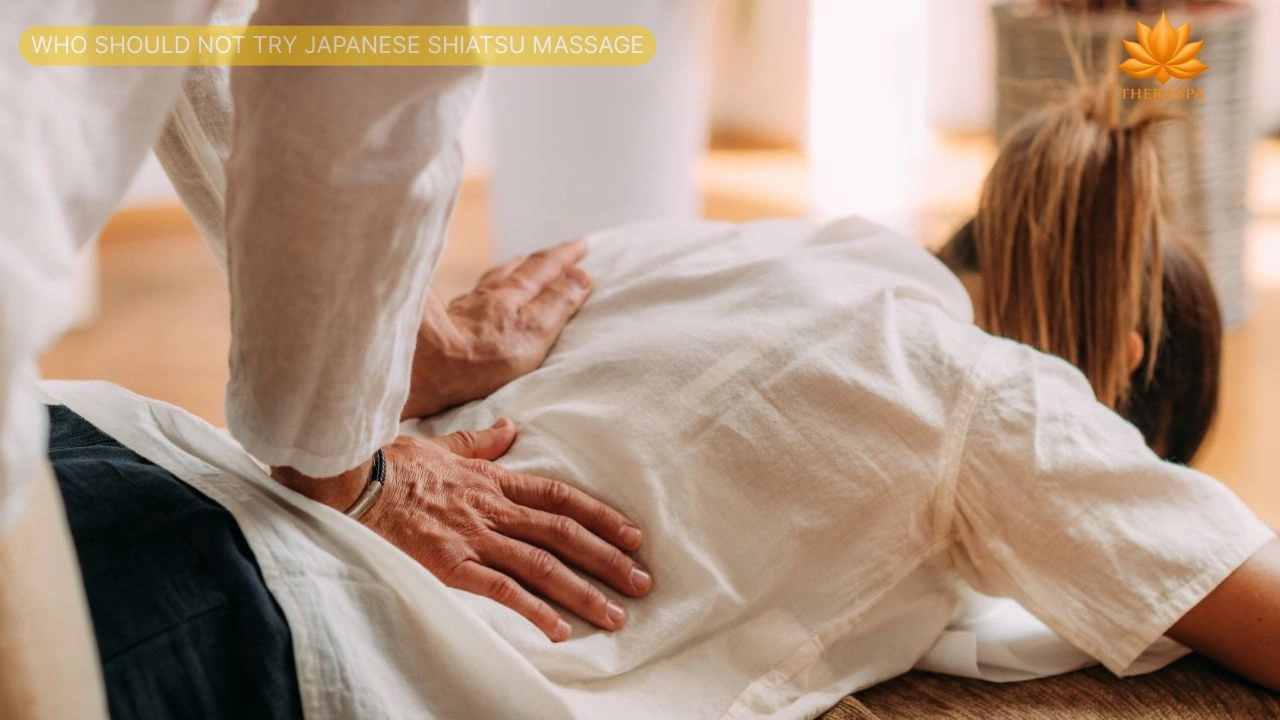
Who SHOULD NOT Try Japanese Shiatsu Massage
| Group | Reason to Avoid Shiatsu | Possible Risks or Side Effects |
| Pregnant women (especially in the first trimester) | Certain pressure points may trigger uterine contractions | May increase risk of miscarriage or premature labor |
| People with open wounds, burns, or skin inflammation | Massage may worsen the injury or spread infection | Can cause pain, irritation, or scarring |
| Individuals with unstable heart disease or high blood pressure | Strong pressure may affect heart rate and blood circulation | May cause dizziness, fainting, or sudden blood pressure changes |
| People with osteoporosis or recovering bone fractures | Fragile bones are vulnerable to physical pressure | Risk of bone fractures or long-lasting pain |
| People with high fever or severe flu | The body is already weakened and sensitive | May worsen fatigue and delay recovery |
| Those who recently had surgery or vaccinations | The body is still in recovery mode | May cause bruising, pain, or interfere with healing |
How to Choose a Good Shiatsu Massage Center
Check therapist certification and skills
Shiatsu requires deep understanding of meridian lines and acupressure points. Choose centers where therapists are professionally trained and certified ideally with style education or accredited programs.
Ensure a peaceful and energy balanced space
A good Shiatsu experience happens in a calm setting with soft lighting, relaxing music, and natural aroma. This environment helps your body release tension and open energy flow more easily.
Look for personalized consultation and clear process
Reliable spas always begin with a health check and discussion about your needs. A customized approach ensures the right pressure, focus areas, and safety for every individual.
Prefer natural and safe supporting products
Select places using high-quality essential oils or herbal compresses with clear origins. Natural ingredients support relaxation and prevent allergic reactions.
Check authentic reviews and reputation
Read verified feedback on Google, Facebook, or wellness forums. Positive reviews reflect not only service quality but also professionalism and consistency.
Aftercare guidance is a must
A reputable spa provides post-massage care tips – such as drinking warm water, resting, and stretching gently—to help maintain the body’s balance and prolong the relaxation effect.
Price list – Massage packages at Thera Spa
Let’s find out about the prices of massage services at Thera Spa:
| Service | Duration | Original Price (VND) | 20% OFF (VND) |
| Foot Massage (Herbal foot soak with hot/cold stones) | 30 mins | 200,000 | 160,000 |
| 60 mins | 350,000 | 280,000 | |
| 90 mins | 500,000 | 400,000 | |
| 120 mins | 650,000 | 520,000 | |
| Bamboo Massage (Natural essential oil & hot/cold bamboo sticks) | 60 mins | 500,000 | 400,000 |
| 90 mins | 650,000 | 520,000 | |
| 120 mins | 800,000 | 640,000 | |
| Full Body Massage (Natural essential oil & hot/cold stones) | 60 mins | 400,000 | 320,000 |
| 90 mins | 550,000 | 440,000 | |
| 120 mins | 700,000 | 560,000 | |
| Full Body Massage (Aroma cream & hot/cold stones) | 60 mins | 500,000 | 400,000 |
| 90 mins | 650,000 | 520,000 | |
| 120 mins | 800,000 | 640,000 | |
| Thai Massage | 60 mins | 550,000 | 440,000 |
| 90 mins | 750,000 | 600,000 | |
| Four-Hand Massage (Essential oil massage performed by 2 therapists) | 45 mins | 550,000 | 440,000 |
| 60 mins | 800,000 | 640,000 | |
| 90 mins | 1,100,000 | 880,000 | |
| Prenatal Massage (At Home Service) | 60 mins | 500,000 | 400,000 |
| 90 mins | 650,000 | 520,000 | |
| 120 mins | 800,000 | 640,000 |
Note: Prices do not include tips.
Complimentary Services
- Hot stone therapy
- Foot exfoliation
- Herbal shampoo relaxation
- Complimentary beverage
Contact Information
- Địa chỉ: 40 An Thượng 10, Ngũ Hành Sơn, Đà Nẵng
- Website: https://theraspa.vn/
- SĐT/Zalo/Whatsapp: +84 852821786
- Link Google Map: Thera Spa & Massage Da Nang
FAQ about Shiatsu Massage – Everything you need to know
Shiatsu Massage What Is It?
Shiatsu massage is a traditional Japanese therapy that uses the fingers, palms, and thumbs to apply gentle pressure on specific energy points of the body. The goal is to restore the natural balance of energy (Qi) and improve overall well-being.
Is Shiatsu massage the same as acupressure?
Not exactly. While both focus on pressure points, Shiatsu incorporates body movement, stretching, and rhythmic pressure using palms and fingers, whereas acupressure mainly applies static finger pressure.
How is a Shiatsu massage session performed?
During a Shiatsu session, the client usually lies on a futon or massage bed while the therapist uses their hands, thumbs, and elbows to apply rhythmic pressure along energy lines. Gentle stretches and rotations may also be added to release tension.
What should I expect during my first Shiatsu session?
Your therapist will begin by asking about your health condition and stress level. The massage is typically done fully clothed, and you may feel a deep sense of relaxation as the therapist adjusts energy flow across your body.
How long does a Shiatsu massage last?
A typical Shiatsu massage session lasts from 60 to 90 minutes, depending on the package and your body’s needs.
What are the main benefits of Shiatsu massage?
Shiatsu helps relieve muscle tension, reduce stress, improve sleep, enhance blood circulation, and support natural energy balance. Many clients also report improved mood and deeper relaxation after a session.
Can Shiatsu massage help with chronic pain or stress?
Yes. Shiatsu targets pressure points related to the nervous system and muscles, helping to ease chronic pain, headaches, and stress-related fatigue effectively.
Is Shiatsu massage safe for everyone?
Generally, yes. However, individuals who are pregnant, have fractures, or specific health conditions should consult their doctor before booking a session.
In summary, Shiatsu massage is not merely a relaxation therapy but also a deep therapeutic method originating from Japan, helping to re-establish the energy balance (Ki) and recover the body from within. If you are still wondering Shiatsu massage what is it and are looking for a highly therapeutic massage method that leaves your mind clear and refreshed after the session, Shiatsu is the ideal choice. Hope Thera Spa has helped you find out the necessary information about this famous Japanese massage service.